

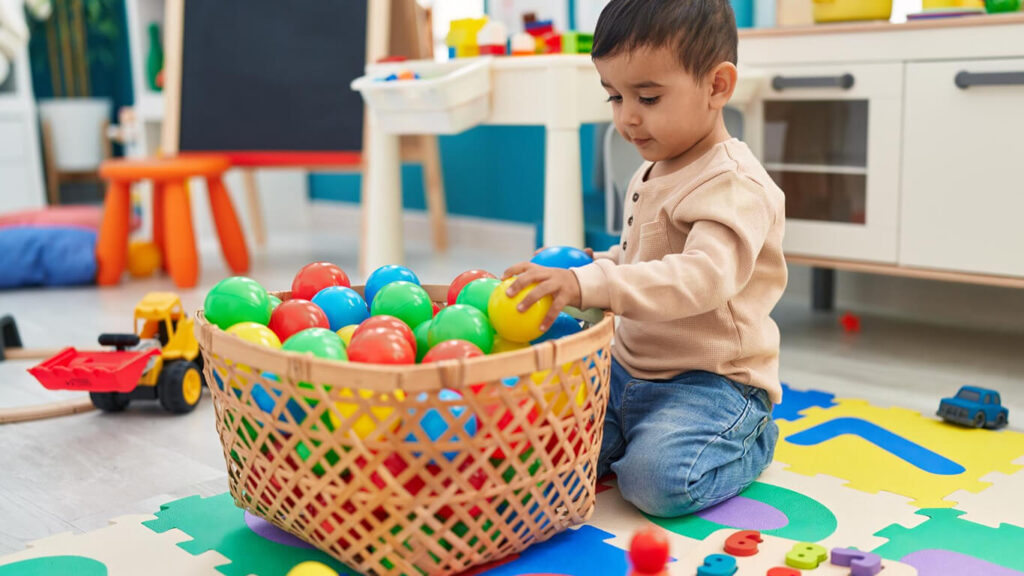
Early childhood is a time of rapid growth, curiosity, and exploration. During these foundational years, children learn best not through rigid instruction, but through meaningful play that allows them to discover, experiment, and understand the world at their own pace. Play-based learning creates a natural and joyful environment where children can develop essential life skills—social, emotional, cognitive, physical, and creative—without feeling pressured or overwhelmed.
Through play, children learn how to solve problems, communicate with others, make decisions, express their feelings, and build confidence in their abilities. Whether they are stacking blocks, engaging in imaginative role-play, or exploring nature, every playful moment strengthens their brain development and shapes their understanding of the world. This introduction sets the stage for exploring.
Learn essential self-defense skills designed to help you stay aware, react quickly, and protect yourself in unexpected situations. These simple, practical techniques build confidence, improve safety, and empower you to navigate daily life with greater security and preparedness.
Play-based learning is more than just fun and games—it is a powerful and natural way through which young children understand the world around them. In the early childhood years, children learn best when they are actively engaged, curious, and free to explore at their own pace. Play becomes their language, their thinking tool, and their foundation for emotional, social, physical, and cognitive development.
Why play matters in early childhood education
Play gives children the freedom to experiment, imagine, communicate, and solve problems. It encourages natural curiosity and allows kids to learn at their own pace. When children play, their brains make strong connections that form the foundation for future learning.
- Play encourages children to explore freely and develop essential early cognitive and problem-solving skills.
- Through play, young learners build strong social connections and learn cooperation, sharing, and communication.
- Play-based activities support emotional growth by helping children express feelings and develop healthy self-confidence.
- Creative play stimulates imagination, allowing children to think differently and approach challenges with curiosity.
- Active play builds physical strength, motor coordination, and overall body awareness in growing children.
Play is a vital part of early childhood development because it helps children explore, experiment, and understand the world around them. Through play, young learners build essential cognitive, social, emotional, and physical skills that form the foundation for future learning. It encourages creativity, problem-solving.